


atlas des régions naturelles
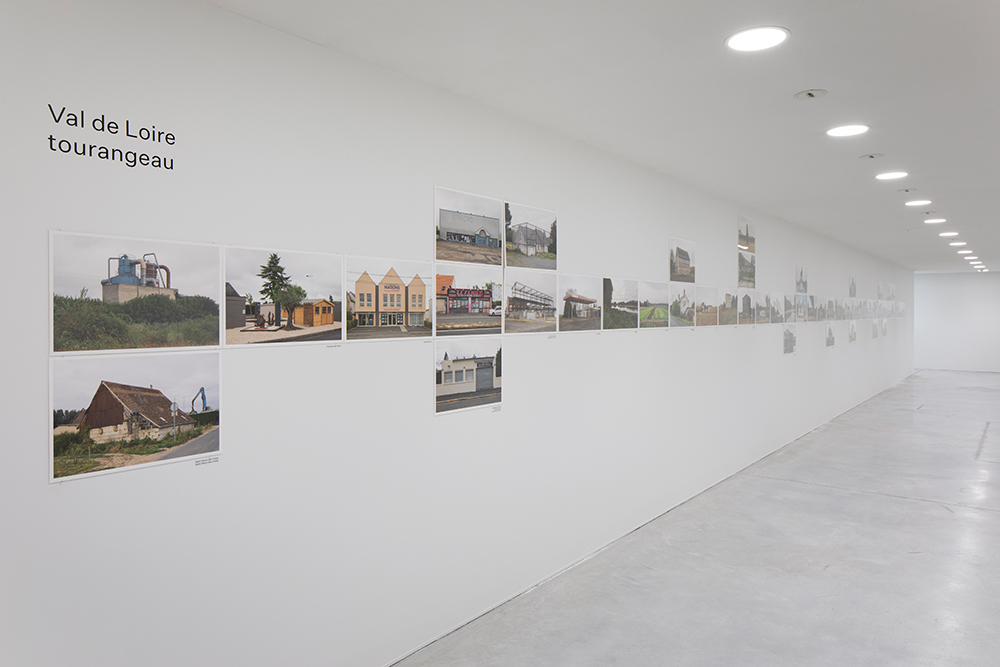
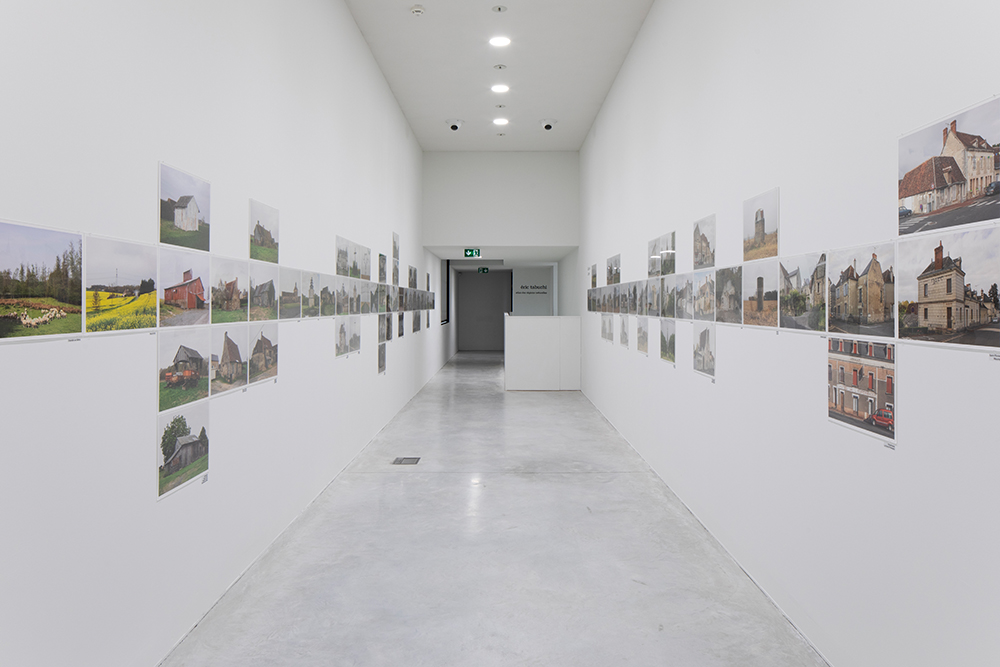
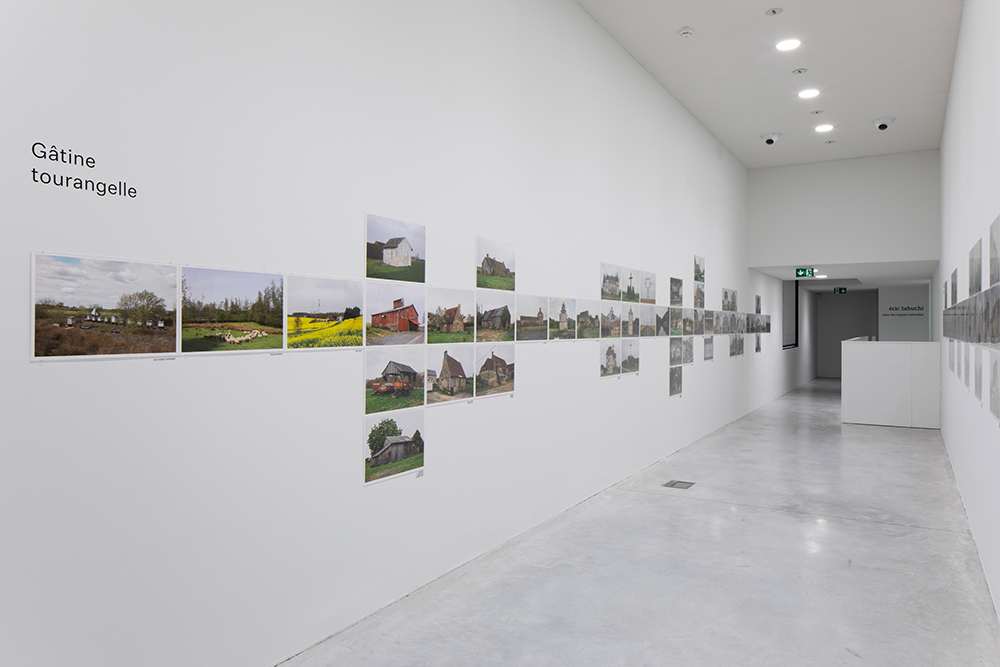
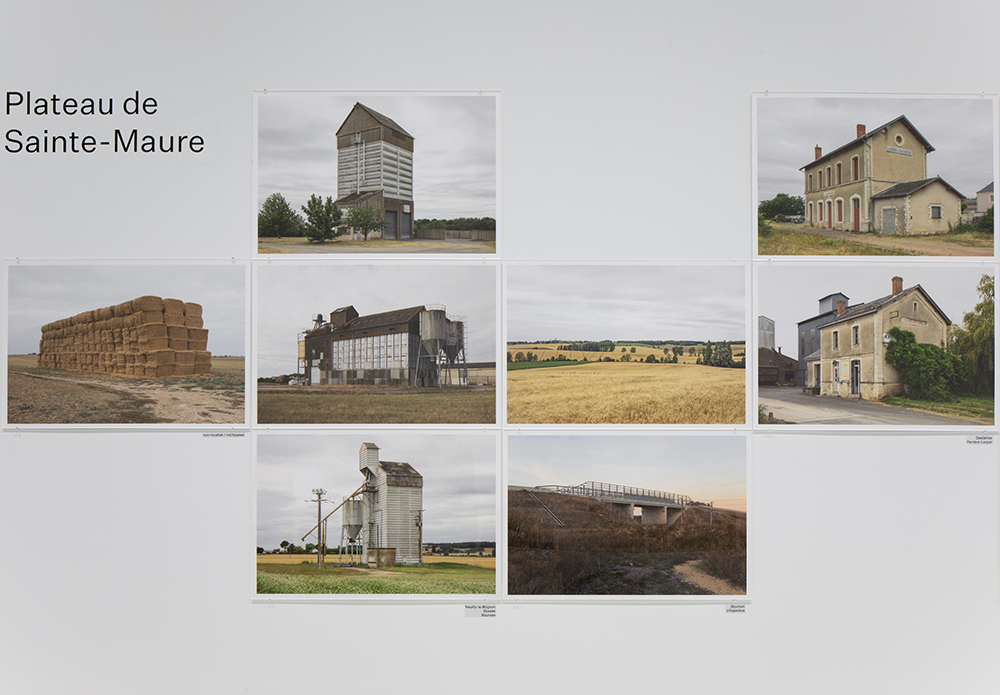


Launched in 2017 by Éric Tabuchi, the long-term project he calls Atlas of Natural Regions aims to produce a photographic inventory of the territories of contemporary France.
The artist has set himself a precise protocol, with the aim of taking 25,000 photographs covering 500 natural regions over the next ten years or so. His aim is to reveal the identity of a region in all its simplicity, forgetting the monumental in favour of the ordinary and everyday. The frontal nature of the shots and the absence of any human presence help to give an objective reading of the territory, detached from the architectural and social function of the buildings.
En partenariat avec le CAUE37.
éric tabuchi
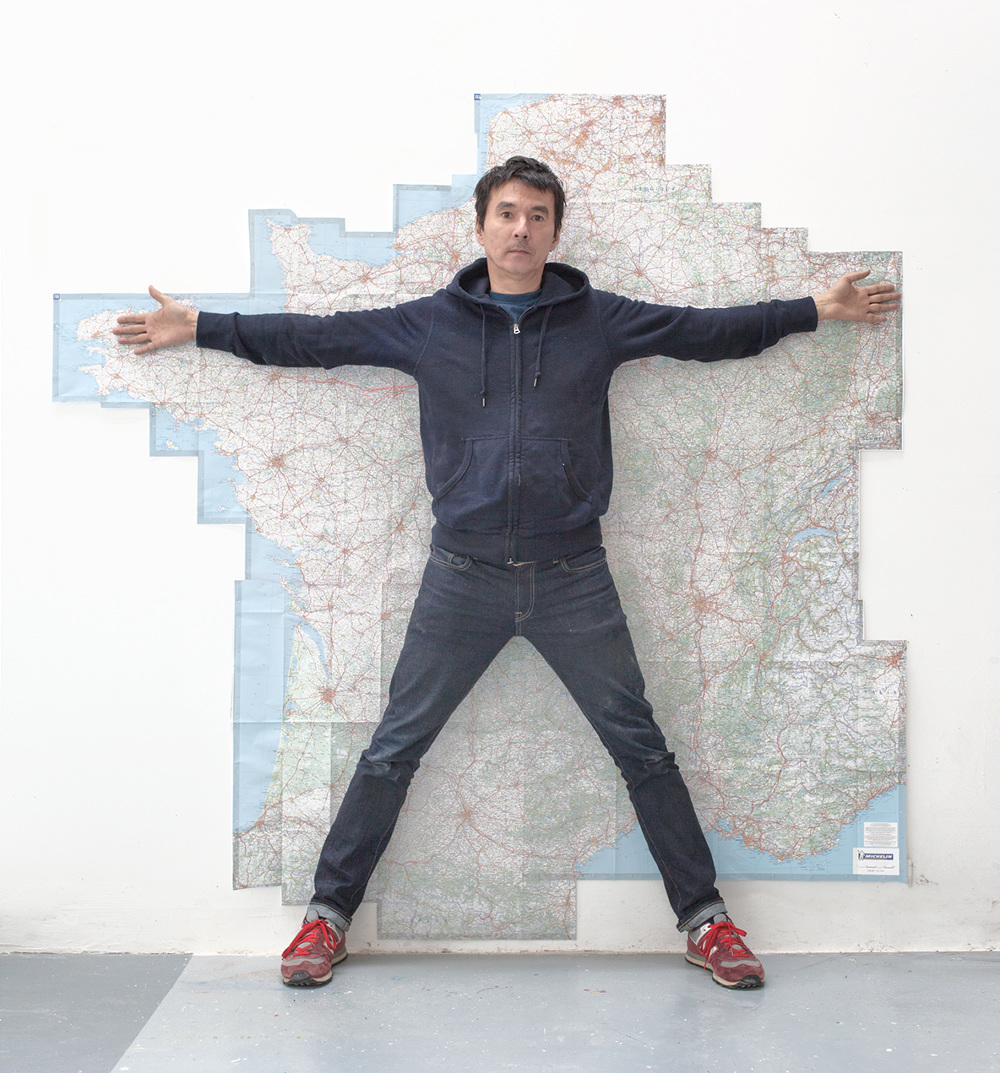
He now lives and works in Paris.
Éric Tabuchi began his photographic work after studying sociology. In 1999, along with other artists, he founded the Glassbox collective with which he participated in numerous exhibitions.
From 2007, he published several books (his last book published is Atlas of forms, 2017) and exhibited notably at the Palais de Tokyo (Paris), the Confort moderne (Poitiers) and the Abattoirs (Toulouse). In 2017, he began the Atlas of Natural Regions to which he now devotes himself exclusively.
Questions of territory, memory and identity articulate the work of this artist born of a Japanese father and a Danish mother and in which architecture occupies a prominent place.
Extrait du CNAP
Launched in 2017 by Éric Tabuchi, the long-term project he calls Atlas of Natural Regions aims to produce a photographic inventory of the territories of contemporary France.
The artist has set himself a precise protocol, with the aim of taking 25,000 photographs covering 500 natural regions over the next ten years or so. His aim is to reveal the identity of a region in all its simplicity, forgetting the monumental in favour of the ordinary and everyday. The frontal nature of the shots and the absence of any human presence help to give an objective reading of the territory, detached from the architectural and social function of the buildings.
En partenariat avec le CAUE37.
Sorry, the comment form is closed at this time.