


V12 Laraki
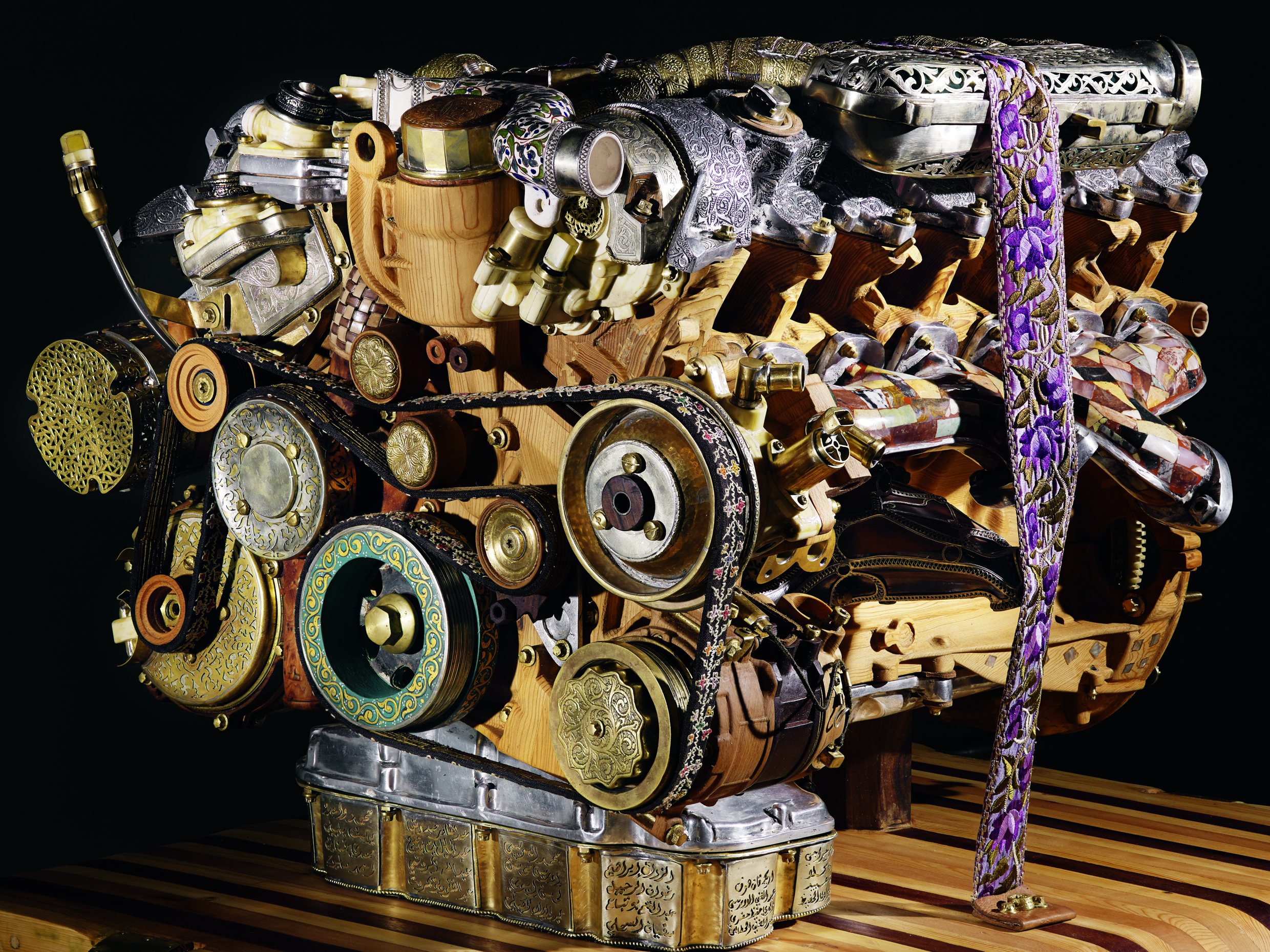
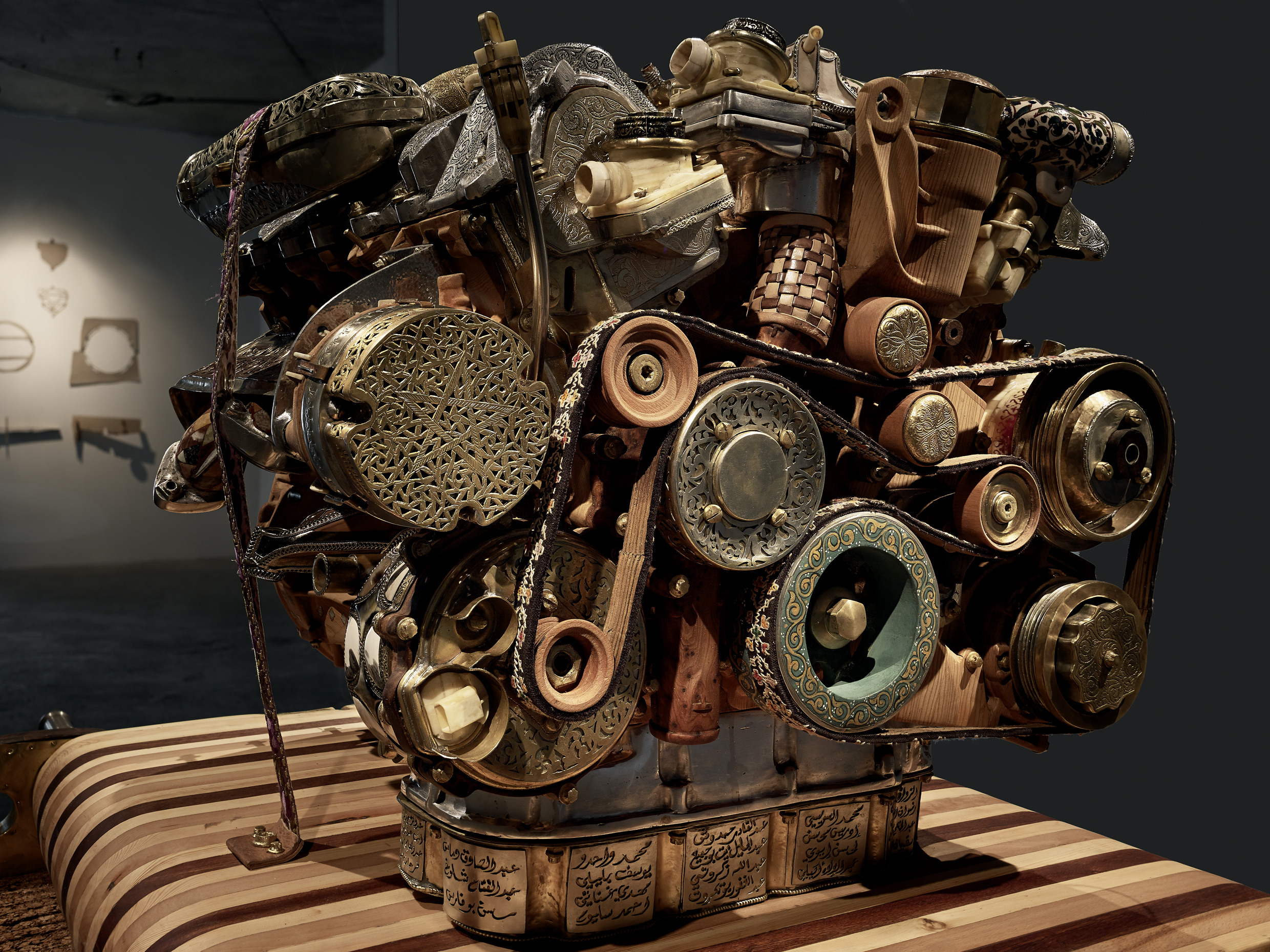
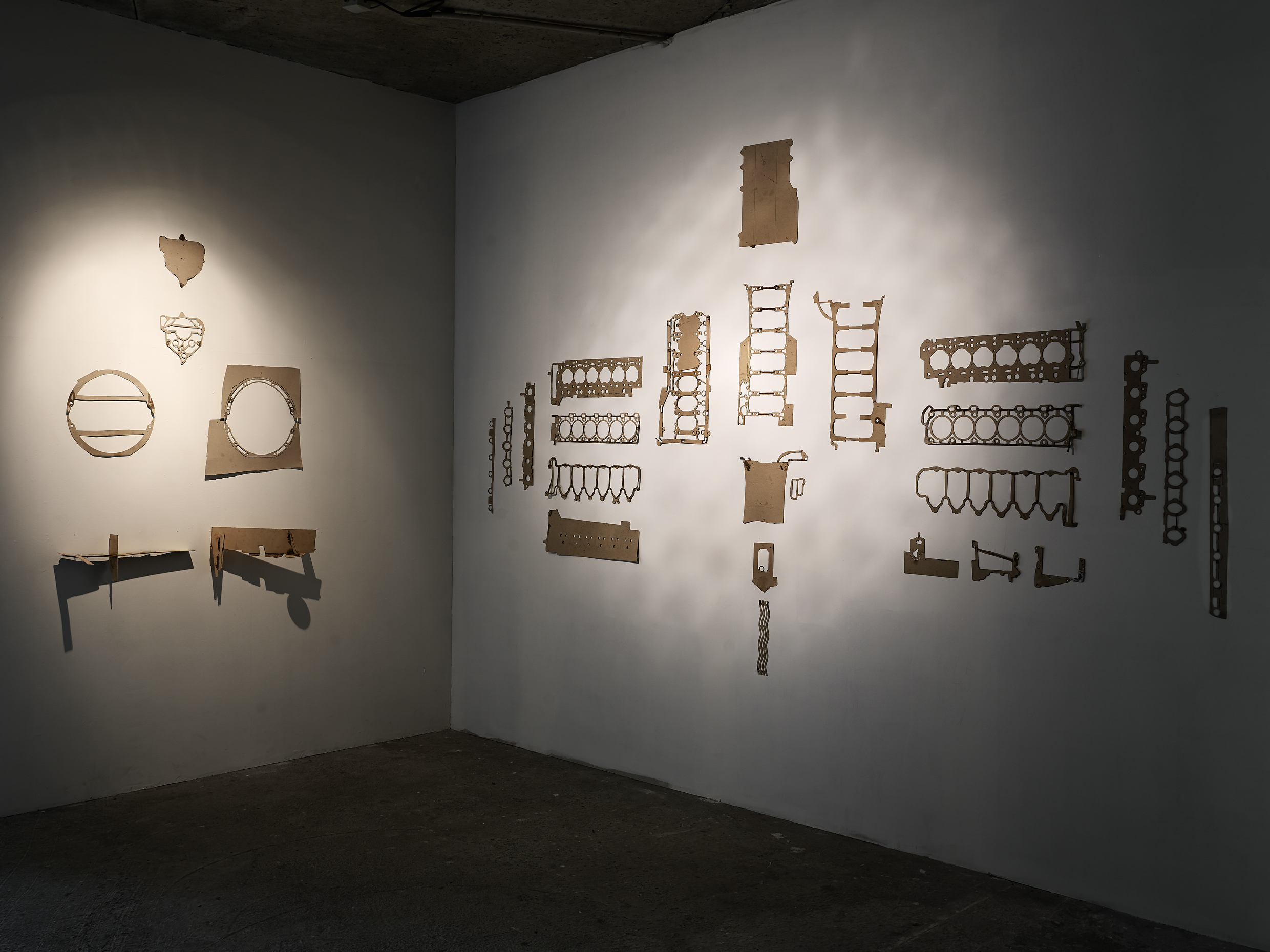


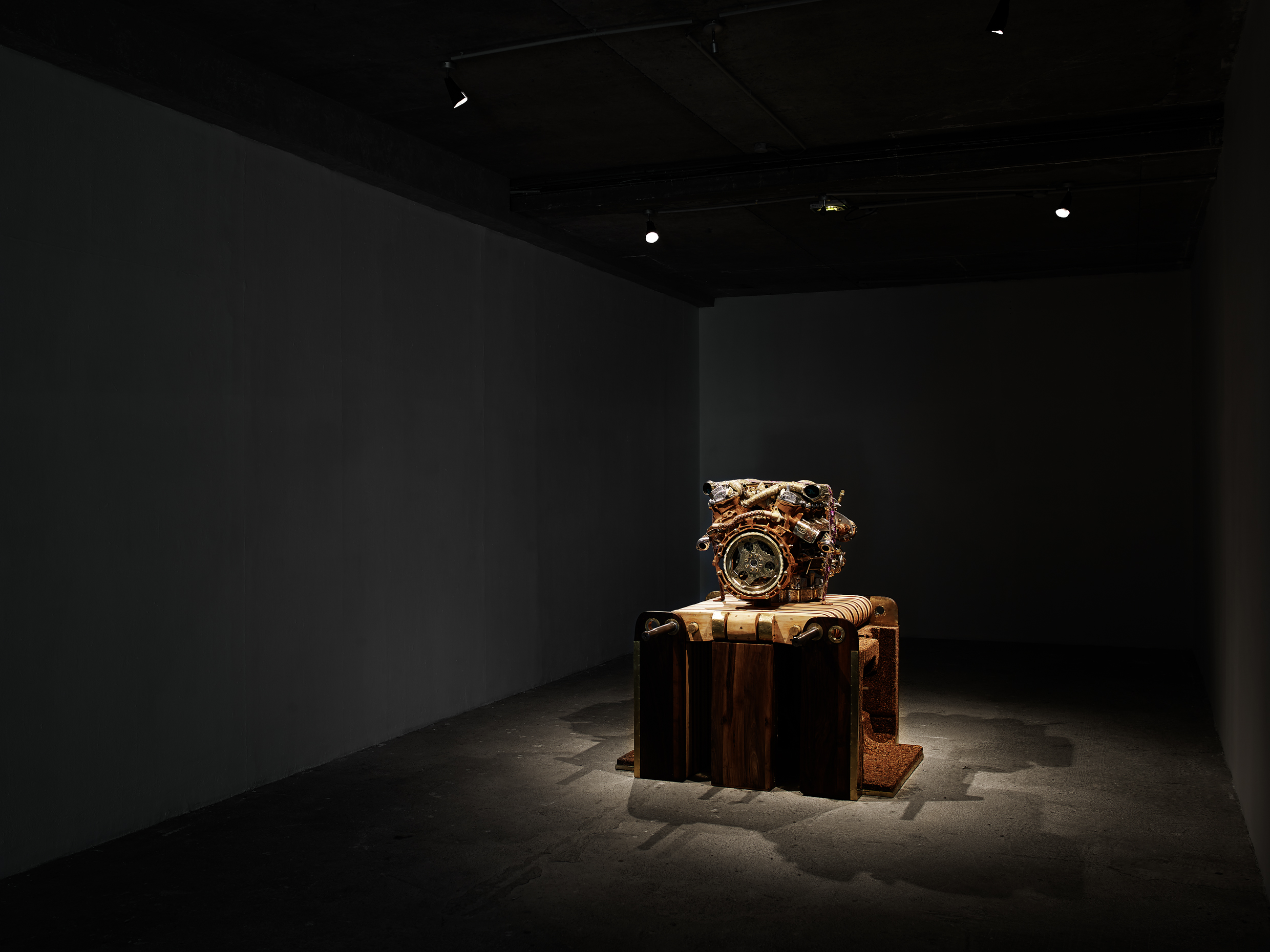
The CCC is presenting the first solo exhibition in France of Eric van Hove. V12 Laraki is the latest creation of this artist working in a variety of media. He is a nomad, a poet and conceptual artist, and for almost a year he has being working in Morocco.*. This work is presented in a preview at the CCC, before taking part in the 5th Marrakech Biennale.
The project entitled V12 Laraki is the continuation of an unfinished dream, the dream of Abdelsam Laraki, the Moroccan founder of a brand of sports cars. His wish was to create the Laraki Fulgura, the first 100% Moroccan high-powered car, liberated from the know-how of the Western and Japanese car industries. So he built the Laraki Fulgura in 2004, completely built (with the exception of the engine that can only be built in Germany) in his workshops in Casablanca.
Eric van Hove renews and closes the loop of this project with V12 Laraki, an object that is hybrid and metaphorical. Forty Moroccan artists have worked to identically reproduce each of the 465 engine components of the Mercedes-V12 used for the Fulgura. Thus each element has been reinterpreted by local skills and in a range of local materials that are specific to Moroccan culture such as woodworking, marquetry with lemon and olive wood, or jewellery.
Through these different collaborations, Eric van Hove is re-using age-old practices and techniques to recreate an object iconic of industrial and capitalist omnipotence. “The engine will be its own metaphor, a whole exceeding the sum of its parts” (E. van Hove).
*This project was created as part of the Dar al-Ma’mûn residence.
Supported by SAM Art Projects.
Excerpt from Press Release – 2013
éric van hove
Born in 1975 in Algeria. He grew up in Cameroon and lives regularly in Japan.
Roaming is an important factor in Eric van Hove’s personal story and it is also at the heart of his art. Indeed, his work is fed by the notions of rootlessness and voluntary exile, both used by the artist as a driver for his creativity. For Eric van Hove, being a nomad is both a personal necessity and an artistic status.
Hence the work and the reflection of the artist have developed on a world scale. In contexts that are always varied he creates installations, photographs, performances and ephemeral and spoken pieces. His work highlights issues which are at one and the same time local and global, and he is committed to connecting these polarisations. Retreating from the standardising effects of contemporary globalisation, his approach is about highlighting human universality and individual characteristics (of places, individuals and situations).
Eric van Hove has presented his work in a great many museum-based institutions and international biennales: Centrale Électrique (Electric Power Station)/ European Contemporary Art Centre (Brussels), Toride Art Museum (Japan), Location One (New York), 4th Bishkek Contemporary Art Exhibition (Kirghizstan), De Paviljoens Museum (Netherlands), Kufang International Art City (Beiing), Hillside Forum (Tokyo), Darat al Funun (Jordan), Fordham University’s Center Gallery (New York), Sharjah Art Museum (United Arab Emirates) etc.
exhibition at CCC : “V12 Laraki” in 2013.
Voice Gallery.
The CCC is presenting the first solo exhibition in France of Eric van Hove. V12 Laraki is the latest creation of this artist working in a variety of media. He is a nomad, a poet and conceptual artist, and for almost a year he has being working in Morocco.*. This work is presented in a preview at the CCC, before taking part in the 5th Marrakech Biennale.
The project entitled V12 Laraki is the continuation of an unfinished dream, the dream of Abdelsam Laraki, the Moroccan founder of a brand of sports cars. His wish was to create the Laraki Fulgura, the first 100% Moroccan high-powered car, liberated from the know-how of the Western and Japanese car industries. So he built the Laraki Fulgura in 2004, completely built (with the exception of the engine that can only be built in Germany) in his workshops in Casablanca.
Eric van Hove renews and closes the loop of this project with V12 Laraki, an object that is hybrid and metaphorical. Forty Moroccan artists have worked to identically reproduce each of the 465 engine components of the Mercedes-V12 used for the Fulgura. Thus each element has been reinterpreted by local skills and in a range of local materials that are specific to Moroccan culture such as woodworking, marquetry with lemon and olive wood, or jewellery.
Through these different collaborations, Eric van Hove is re-using age-old practices and techniques to recreate an object iconic of industrial and capitalist omnipotence. “The engine will be its own metaphor, a whole exceeding the sum of its parts” (E. van Hove).
*This project was created as part of the Dar al-Ma’mûn residence.
Supported by SAM Art Projects.
Excerpt from Press Release – 2013
Sorry, the comment form is closed at this time.