


düsseldorf mon amour
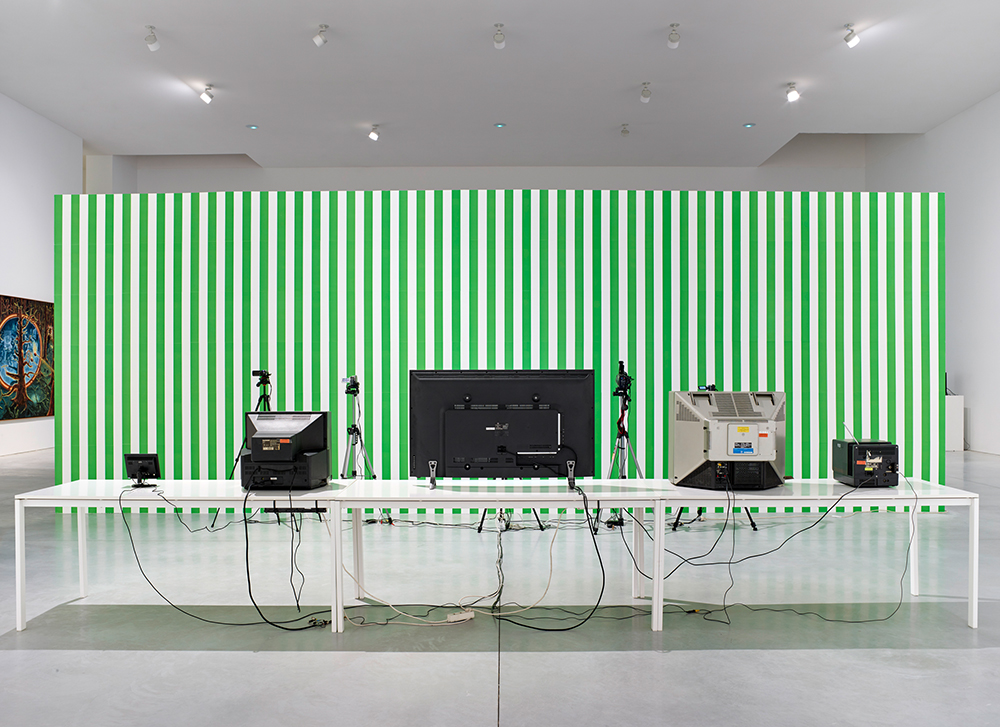
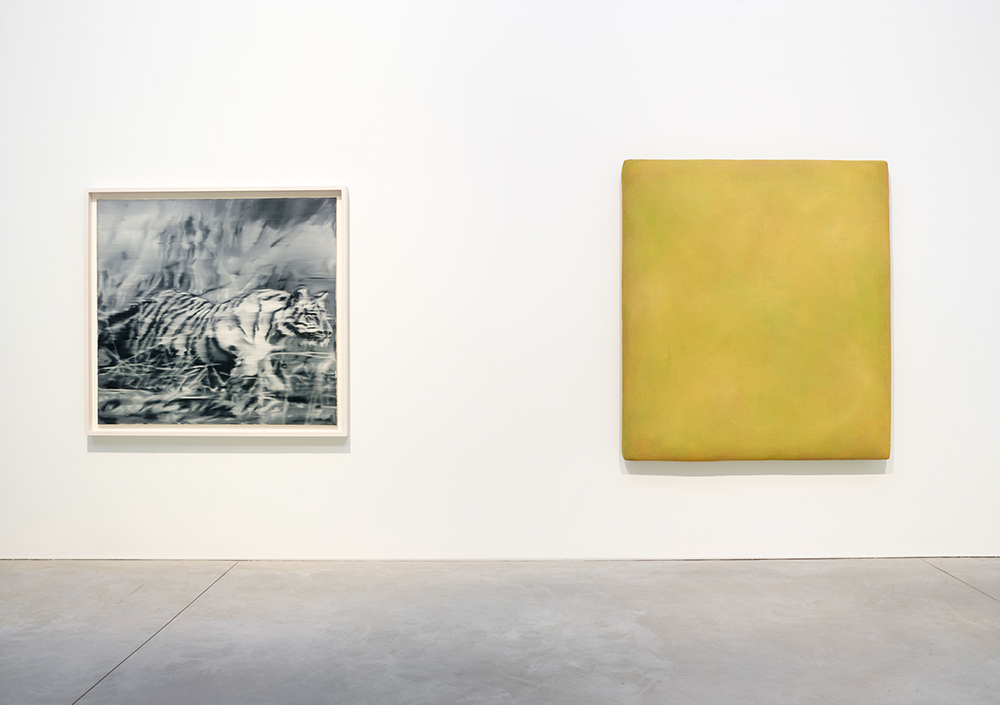
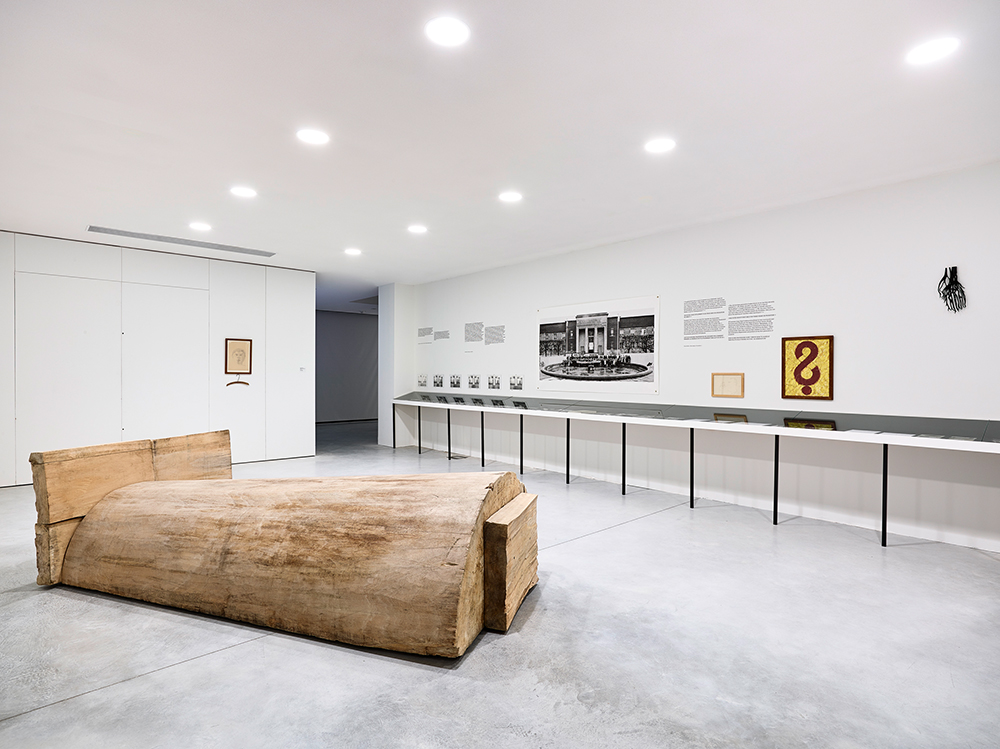
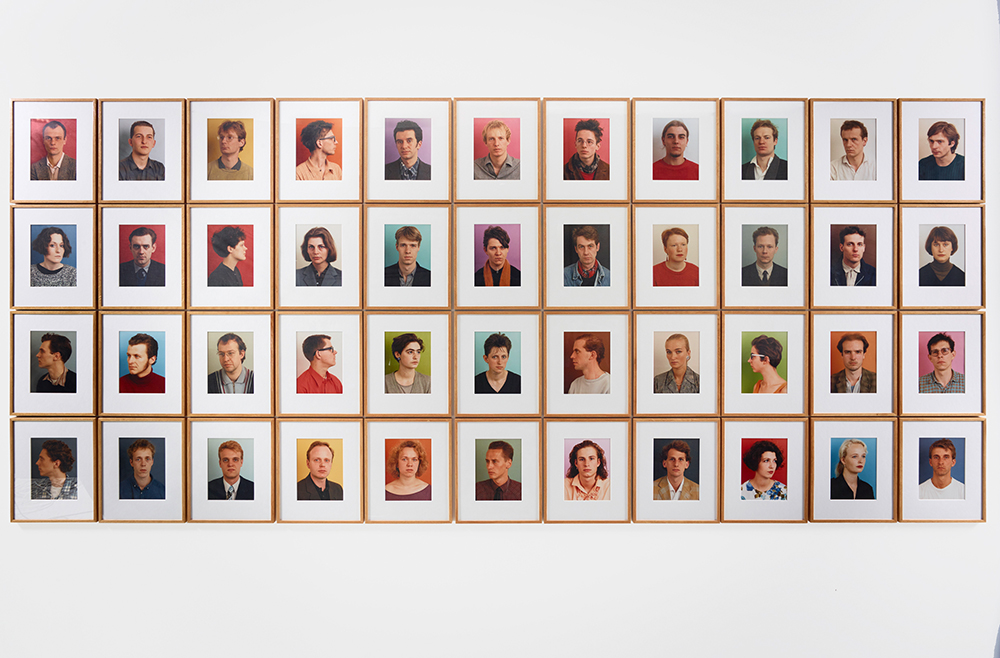


Alongside Klaus Rinke’s installation, the ccc od is offering a journey through several decades of the German art scene, from the 1950s to the present day, through the artist’s personal archives and a series of loans of major works from the Centre Pompidou – Musée national d’Art moderne and the Kunstakademie in Düsseldorf.
For the first time in France, this exhibition will reveal the importance of this school and its teaching in the revival of German art since the end of the Second World War.
This German institution, which is so different from other art schools around the world, has for over 70 years provided an unprecedented platform for exchange for several generations of artists, imbued with a unique teaching model in which some of the great ‘ferrymen’ of twentieth-century art have been involved, such as Marcel Broodthaers, Robert Filliou, Nam June Paik and Joseph Beuys. The Düsseldorf School is not a “school” in the historical sense of the term. There is no ‘Düsseldorf style’, but rather a spirit that has animated the teachers and students of this very special place, which experienced an unparalleled boom from the 1960s onwards. It is this multiplicity of practices, mediums and styles, stemming from the same extremely rich and fertile source, that it seems important to highlight, as well as its continuations up to the present day.
As well as a historical exhibition on the Düsseldorf scene, the ccc od will be bringing together a living memory, that of Klaus Rinke, with the works and artists who shaped this extraordinary school and created the conditions for the emergence of several generations of the most important artists of our time.
The Düsseldorf mon amour exhibition will be an important moment in France’s understanding of this school, whose teaching has become the stuff of myth.
This major season will provide an opportunity for exchanges with the protagonists of this scene, who are still active today. The aim is to rediscover the school’s very special atmosphere through archive films, personal accounts and meetings with those involved – a sort of ‘Ring-Gespräch’ or ‘discussion in a circle’ at the heart of the exhibition.
Joseph Beuys was at the centre of the turbulence that rocked the institution at its very foundations in the 1960s and 1970s, and his concept of art nouveau led to a profound and total rethink of creation and its teaching. A student himself at the Kunstakademie from 1945 to 1954, he used the school as a setting for his art until 1972. He put the school and its actors to the test, in order to free it from its institutional straitjacket.
He made no distinction between the status of artist and that of teacher, and was always present on the school premises. Many remember a character who haunted the corridors and acted like a magnet on the students, who all wanted to join his class.
klaus rinke
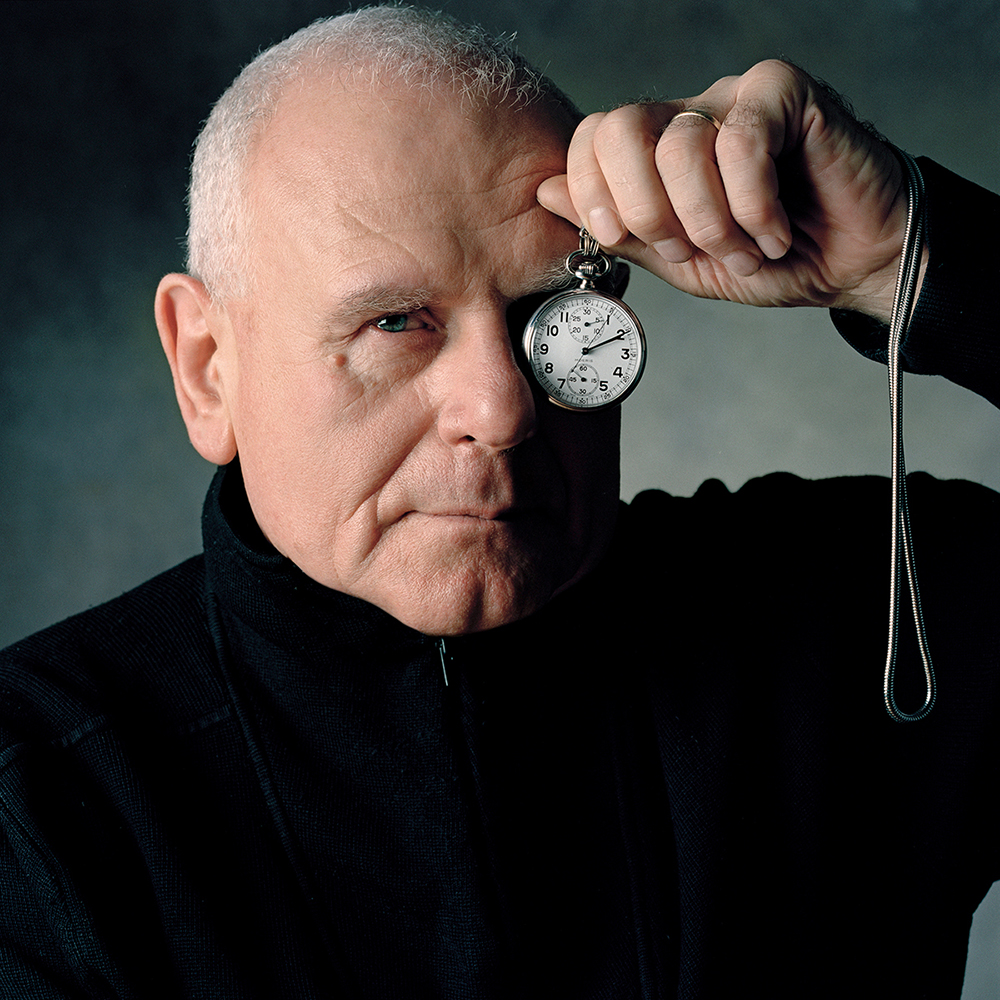
Klaus Rinke is one of the major figures of German and international art. He was a teacher at the Académie des Beaux-Arts in Düsseldorf from 1974 to 2005.
Seeking to understand reality in its physical and material dimension, an important part of his work aims at making the key abstract concepts that establish our relationship with the world perceptible: time, space, gravitation.
Treated as a material in itself, water also plays a prominent role in his work; he invokes its energy, its physical laws, and the symbolism of its vital role for his installations and sculptures “into action”.
If Klaus Rinke’s sculpture and performance work is at the frontier of science and art, his graphite paintings and drawings are the fruit of a research on “form”. They combine abstraction and organic reminiscences, and portray a quest for the origin of all things.
Alongside Klaus Rinke’s installation, the ccc od is offering a journey through several decades of the German art scene, from the 1950s to the present day, through the artist’s personal archives and a series of loans of major works from the Centre Pompidou – Musée national d’Art moderne and the Kunstakademie in Düsseldorf.
For the first time in France, this exhibition will reveal the importance of this school and its teaching in the revival of German art since the end of the Second World War.
This German institution, which is so different from other art schools around the world, has for over 70 years provided an unprecedented platform for exchange for several generations of artists, imbued with a unique teaching model in which some of the great ‘ferrymen’ of twentieth-century art have been involved, such as Marcel Broodthaers, Robert Filliou, Nam June Paik and Joseph Beuys. The Düsseldorf School is not a “school” in the historical sense of the term. There is no ‘Düsseldorf style’, but rather a spirit that has animated the teachers and students of this very special place, which experienced an unparalleled boom from the 1960s onwards. It is this multiplicity of practices, mediums and styles, stemming from the same extremely rich and fertile source, that it seems important to highlight, as well as its continuations up to the present day.
As well as a historical exhibition on the Düsseldorf scene, the ccc od will be bringing together a living memory, that of Klaus Rinke, with the works and artists who shaped this extraordinary school and created the conditions for the emergence of several generations of the most important artists of our time.
The Düsseldorf mon amour exhibition will be an important moment in France’s understanding of this school, whose teaching has become the stuff of myth.
This major season will provide an opportunity for exchanges with the protagonists of this scene, who are still active today. The aim is to rediscover the school’s very special atmosphere through archive films, personal accounts and meetings with those involved – a sort of ‘Ring-Gespräch’ or ‘discussion in a circle’ at the heart of the exhibition.
Joseph Beuys was at the centre of the turbulence that rocked the institution at its very foundations in the 1960s and 1970s, and his concept of art nouveau led to a profound and total rethink of creation and its teaching. A student himself at the Kunstakademie from 1945 to 1954, he used the school as a setting for his art until 1972. He put the school and its actors to the test, in order to free it from its institutional straitjacket.
He made no distinction between the status of artist and that of teacher, and was always present on the school premises. Many remember a character who haunted the corridors and acted like a magnet on the students, who all wanted to join his class.
Sorry, the comment form is closed at this time.